And I don’t just mean glancing through a brief or asking for some references. I mean really sitting down to understand what the business needs — and why.
Early in my career, I made the classic mistake: jumping straight into Figma, trying to make things look good without taking the time to understand the goals, expectations, and constraints of the project.
It didn’t take long to realize that beautiful design alone doesn’t solve real problems.
So here’s what I now focus on before I move forward with any design task:
1. Business Goals: Know What You’re Designing For
Every design is meant to do something. It’s not just about pleasing the eye — it’s about solving a problem for a specific group of people and meeting a set of expectations from the business side.
Here’s what I always clarify before moving ahead:
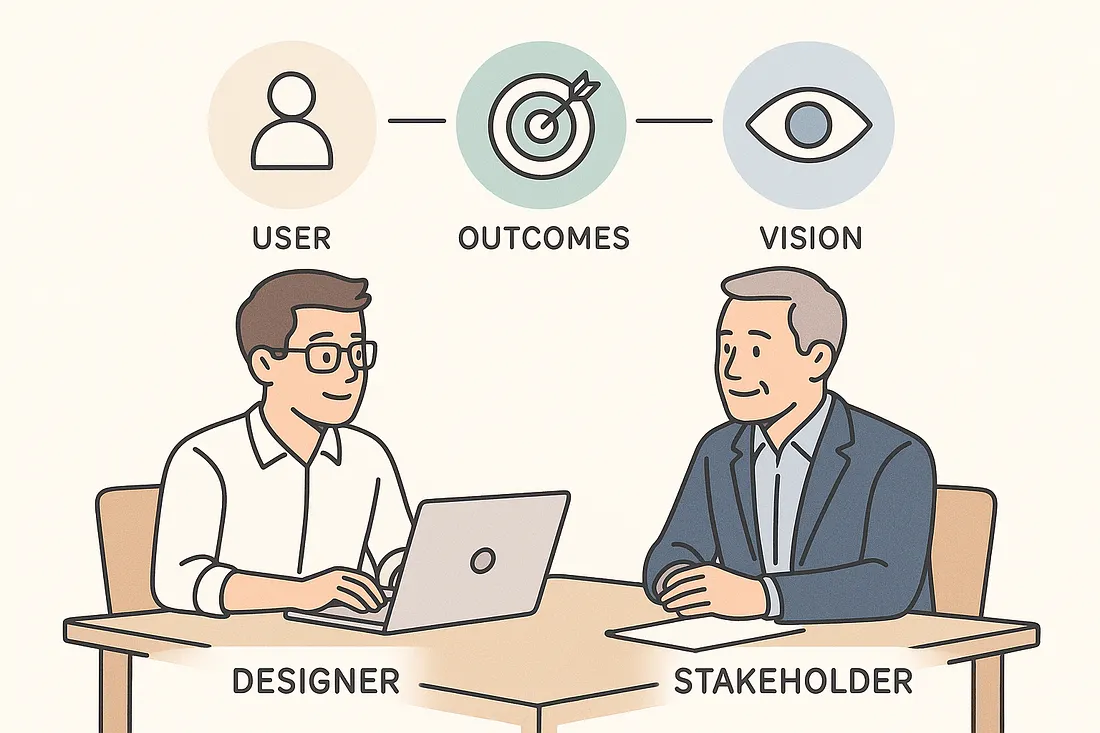
Who are the users?
Who exactly are we designing for? A student? A manager? A first-time visitor? Knowing your audience defines how the experience should be structured — from navigation to tone to functionality.
What outcomes does the business want?
Is the goal to increase sign-ups? Improve task completion? Reduce drop-offs? These are crucial to know early because they drive all design decisions — what we prioritize, what we highlight, and even what we cut out.What’s the long-term vision?
It’s not just about the next sprint. I try to get a sense of the bigger picture: Where is this product heading in the next few months or years? How should the design evolve as it scales? Understanding this helps me make design choices that don’t need to be redone later.
Always connect design decisions back to business goals. If you can’t explain how a design helps the product succeed, it’s not done yet.
2. Business Parameters: Know What You’re Designing Within
Design isn’t just about what can be done — it’s about what should be done within given limits. These limits are not blockers — they’re part of the challenge.
Here’s what I make sure to understand before diving into design:
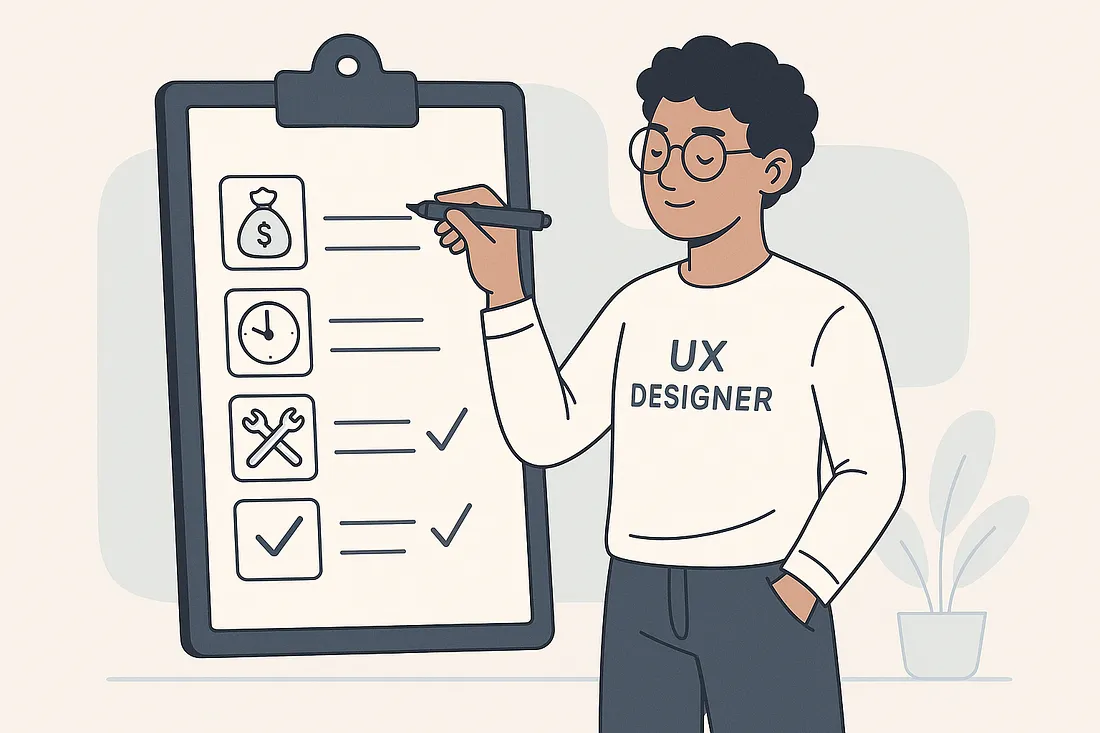
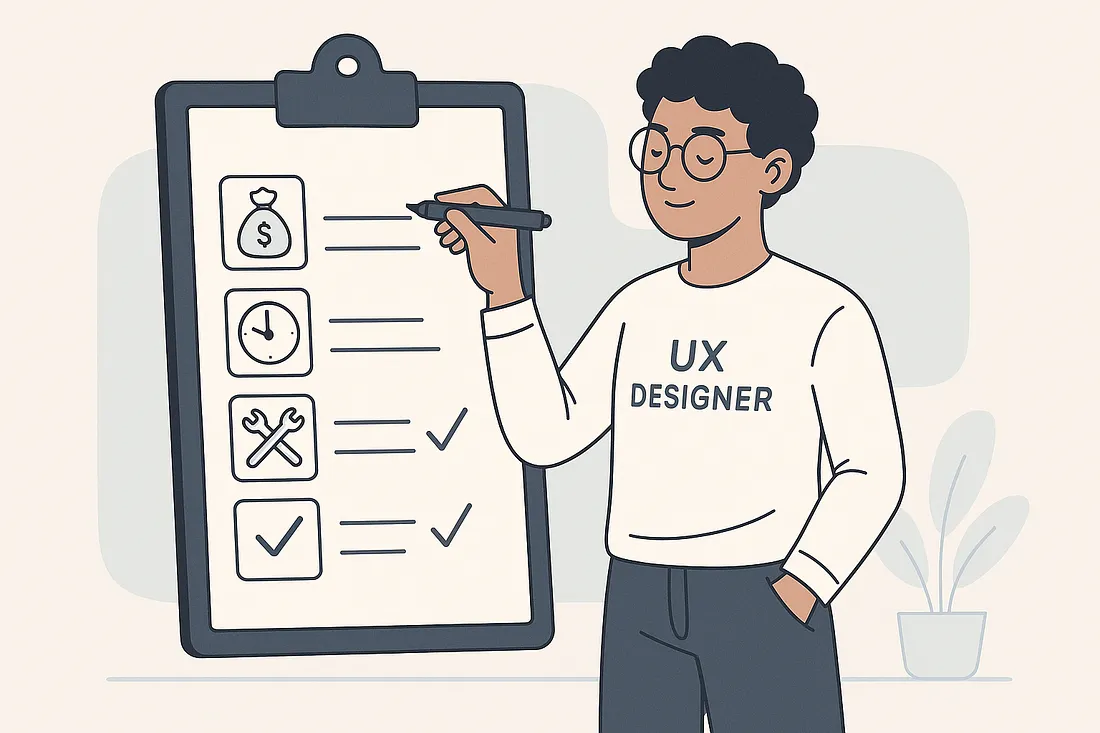
Budget, Timeline & Scope
Am I designing a proof of concept or a launch-ready product? Do we have two weeks or two months? Understanding the project constraints helps me prioritize the right features and avoid scope creep.Tools & Systems
Sometimes the product is tied to existing systems, CMS platforms, or analytics tools. I ask early: What tech stack are we using? Any systems the design needs to integrate with?
Knowing this in advance saves a lot of rework.Standards & Requirements
This includes accessibility, brand guidelines, and compliance standards (like GDPR or design tokens in a system). These are not “extras” — they’re foundational. I make sure every design decision respects these from day one.
Constraints create clarity. When I know the rules, I can focus my creativity where it matters most.
Why All This Matters
Understanding the assignment upfront helps me:
Build trust with stakeholders
Prioritize the right problems
Avoid late-stage changes
Create designs that actually work
Final Thoughts
As designers, we love jumping into creativity. But if I could give one piece of advice to any designer starting out, it would be this:
✨ Before you create, understand. ✨
The time you spend clarifying the assignment isn’t wasted — it’s what turns you from a pixel pusher into a real problem-solver.