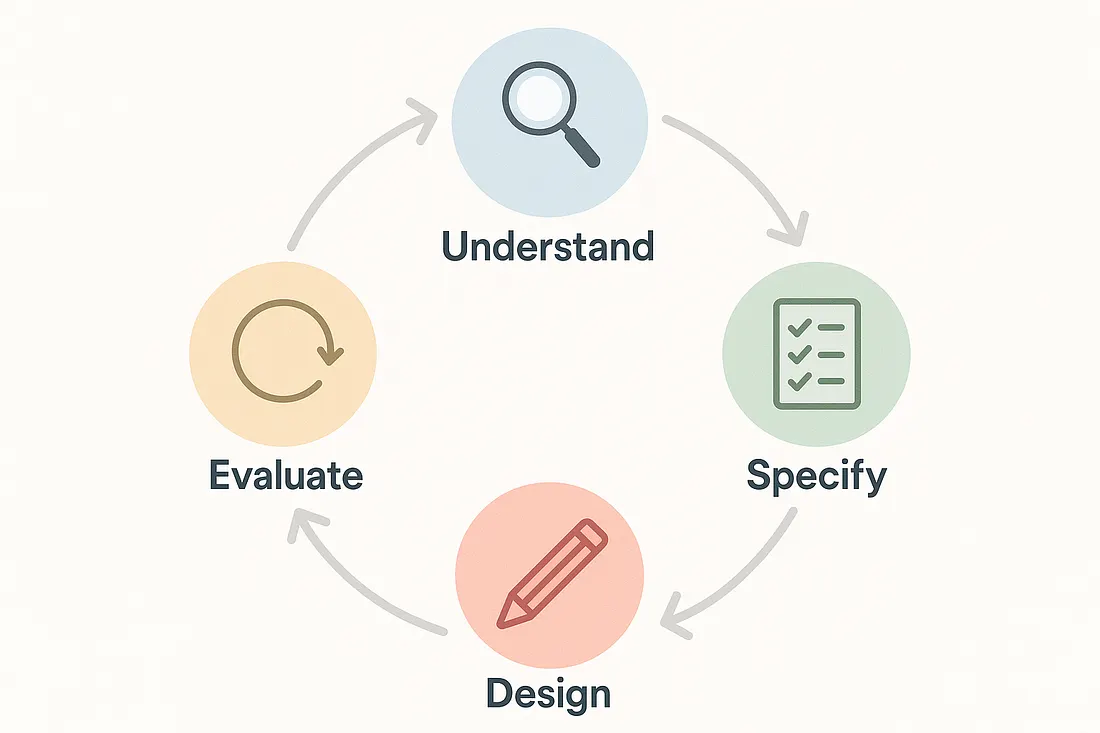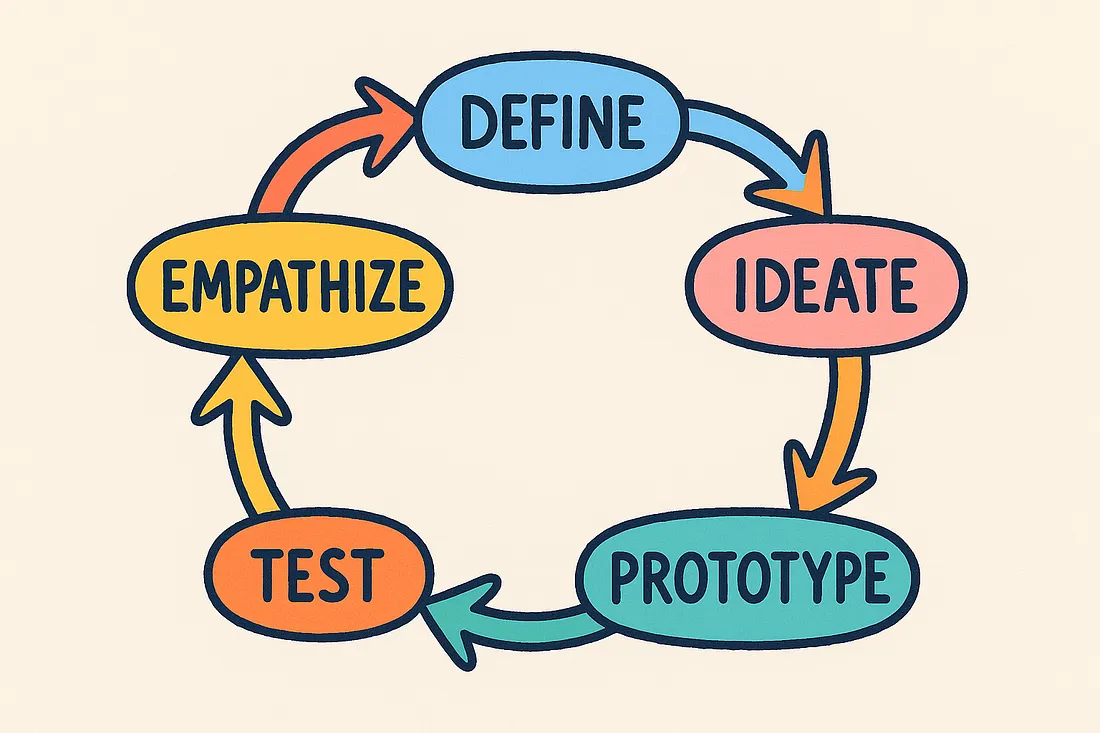
Let’s break down the Product Development Life Cycle (PDLC) in simple terms.
1. Idea Generation (Discovery Phase)
Every great product starts with an idea. It could be someone’s frustration, a gap in the market, or just a spark of creativity.
Example:
“What if booking cabs was easier with one tap?”
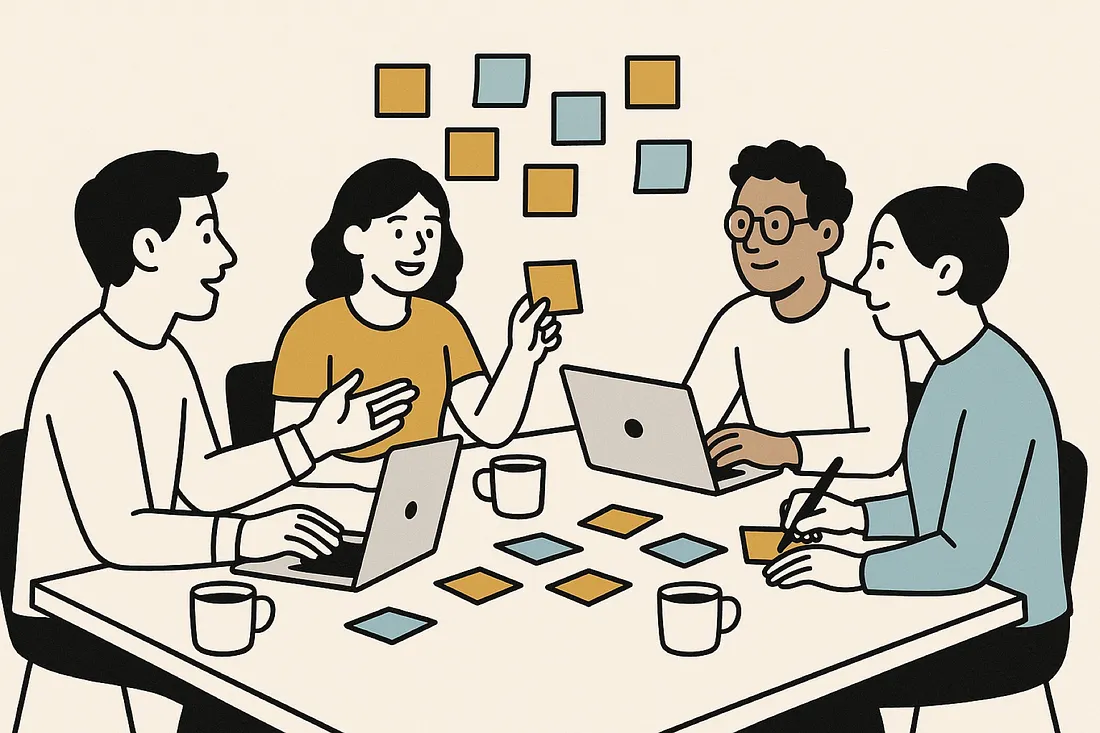
At this stage, brainstorming happens with stakeholders, designers, and users. Research plays a major role.
2. Requirement Gathering
Here, product managers, UX researchers, and stakeholders define:
What exactly needs to be built?
Who are we building for?
What features solve the core problem?
For designers, this is where user research happens – interviews, surveys, and analysis.
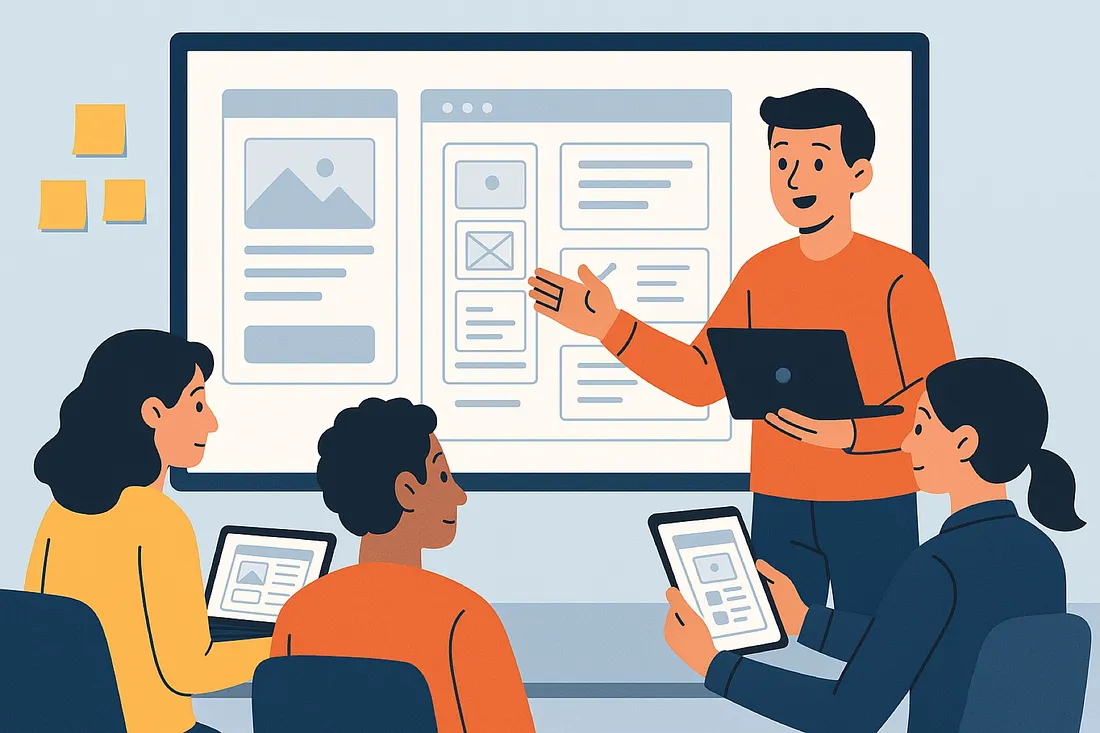
3. Design Phase
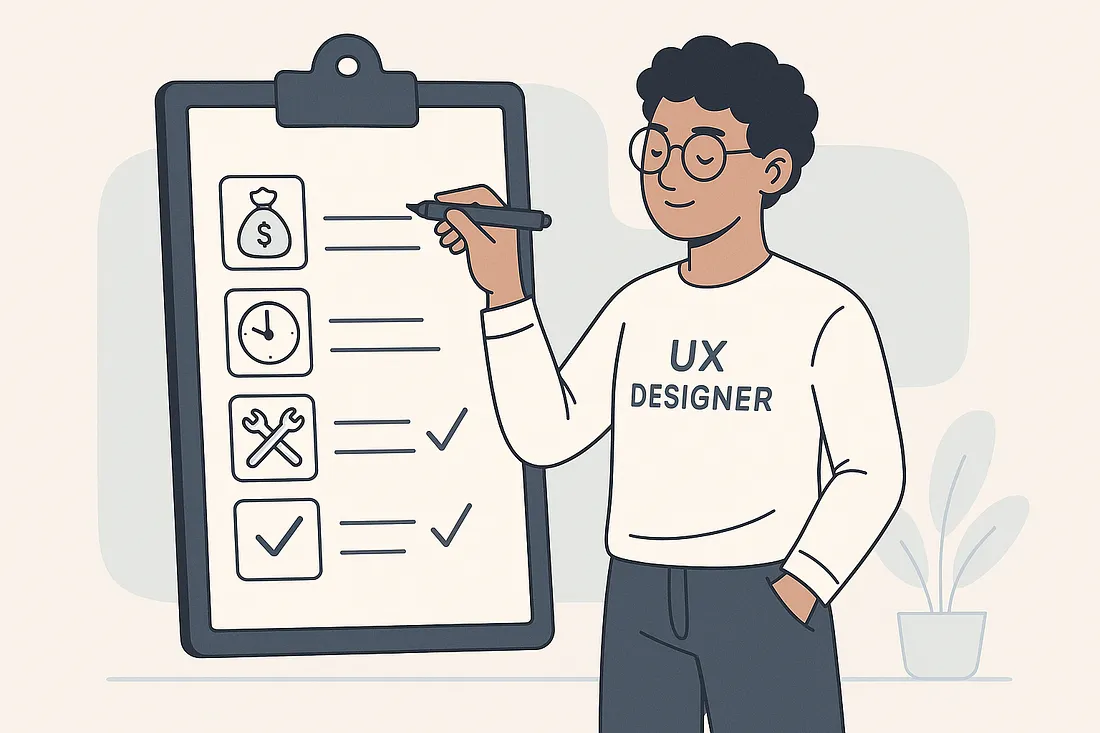
This is your zone as a UI/UX designer.
Sketching wireframes
Creating prototypes
Building design systems
Collaborating with developers
Pro Tip:
Don’t just “design” – test those designs with real users early.
4. Development Phase
Once designs are ready, the development team starts building the real thing.
It’s a back-and-forth between designers and developers to ensure:
Visuals match designs
Interactions work well
Accessibility is maintained
5. Testing & QA (Quality Assurance)
Before going live, the product undergoes testing to catch bugs, errors, or usability issues. You might conduct usability testing to see if users find it intuitive.
6. Launch
After fixing all issues, the product goes live. But that’s not the end.
7. Maintenance & Updates
Products need constant updates based on:
User feedback
Market changes
New features

Conclusion:
The Product Development Life Cycle is a team effort, but designers play a role at every step. When you understand this cycle, your designs become more impactful, more strategic, and more valued.